Nutrition & Fuel
|
4 min read
|
Pace & Phase Editorial

It’s 3:00 PM. Your eyelids feel heavy, your brain feels wrapped in cotton wool, and you find yourself wandering toward the pantry searching for chocolate or another cup of coffee just to survive the rest of the workday.
Diet culture has convinced us that carbohydrates are evil foods responsible for this mid-afternoon exhaustion. But carbohydrates are your brain and nervous system's preferred energy fuel!
The problem isn't carbs themselves—it's eating naked carbs.
What Happens When You Eat "Naked Carbs"
A "naked carb" is a carbohydrate food eaten completely alone on an empty stomach—such as a bare apple, a plain bagel, a rice cake, or a glass of fruit juice.
Because there is no fiber, protein, or fat to slow down digestion, your stomach breaks those carbohydrates down instantly. Glucose rushes into your bloodstream all at once like a tidal wave.
Your pancreas panics and pumps out a massive surge of insulin to clear the blood sugar. Insulin clears the glucose so fast that your blood sugar plunges below its normal resting level—a state known as reactive hypoglycemia.
That sudden plunge is the exact physiological trigger for the 3 PM brain fog, shaking hands, and intense sugar cravings.
The Solution: Put "Clothes" on Your Carbs
You don't need to quit eating bagels, fruit, or rice. You simply need to dress your carbs.
When you pair a carbohydrate with a "brake pedal" (protein, healthy fats, or soluble fiber), you slow down the gastric emptying rate.
Instead of rushing into your system, glucose is released slowly and smoothly into your bloodstream over 3 to 4 hours. Research published in the American Journal of Clinical Nutrition confirms that combining carbohydrates with protein and fat blunts blood glucose spikes and eliminates the subsequent energy crash.
The Pro-Level Hack: Food Sequencing (The 15-Minute Rule)
If you want to take glucose management a step further, the sequence in which you eat your food matters just as much as what's on your plate.
Clinical trials published in Diabetes Care (Shukla et al.) evaluated what happens when people eat the exact same meal in different order:
Option A (Carbs First or Mixed Together): Eating oatmeal or rice with protein mixed in flattens the curve moderately compared to bare carbs.
Option B (Fiber/Protein 10–20 Minutes BEFORE Carbs): Eating a fiber-rich salad, boiled eggs, or a Greek yogurt first, followed by complex carbohydrates 10 to 20 minutes later, reduced peak glucose spikes by up to 70% and lowered overall insulin output.
Why does pre-loading work so well?
Eating protein, fiber, or fats first triggers the gut to release GLP-1 (Glucagon-Like Peptide-1) and coats the digestive wall with soluble fiber before carbohydrates arrive. By the time the oats or sourdough toast reach your stomach, the "brake pedal" is already fully engaged.
How to Apply This in Real Life (Without Obsessing)
You don't need a perfectly curated meal prep kitchen to put the "Glucose Clothing" method into practice. Whether you are eating at an airport, ordering from a work cafeteria, or dining out with friends, the principle remains identical: never leave a starch or sugar isolated.
The Everyday Method (Pairing): Don't eat a carbohydrate alone.
Easy Ways to "Dress" Your Carbs
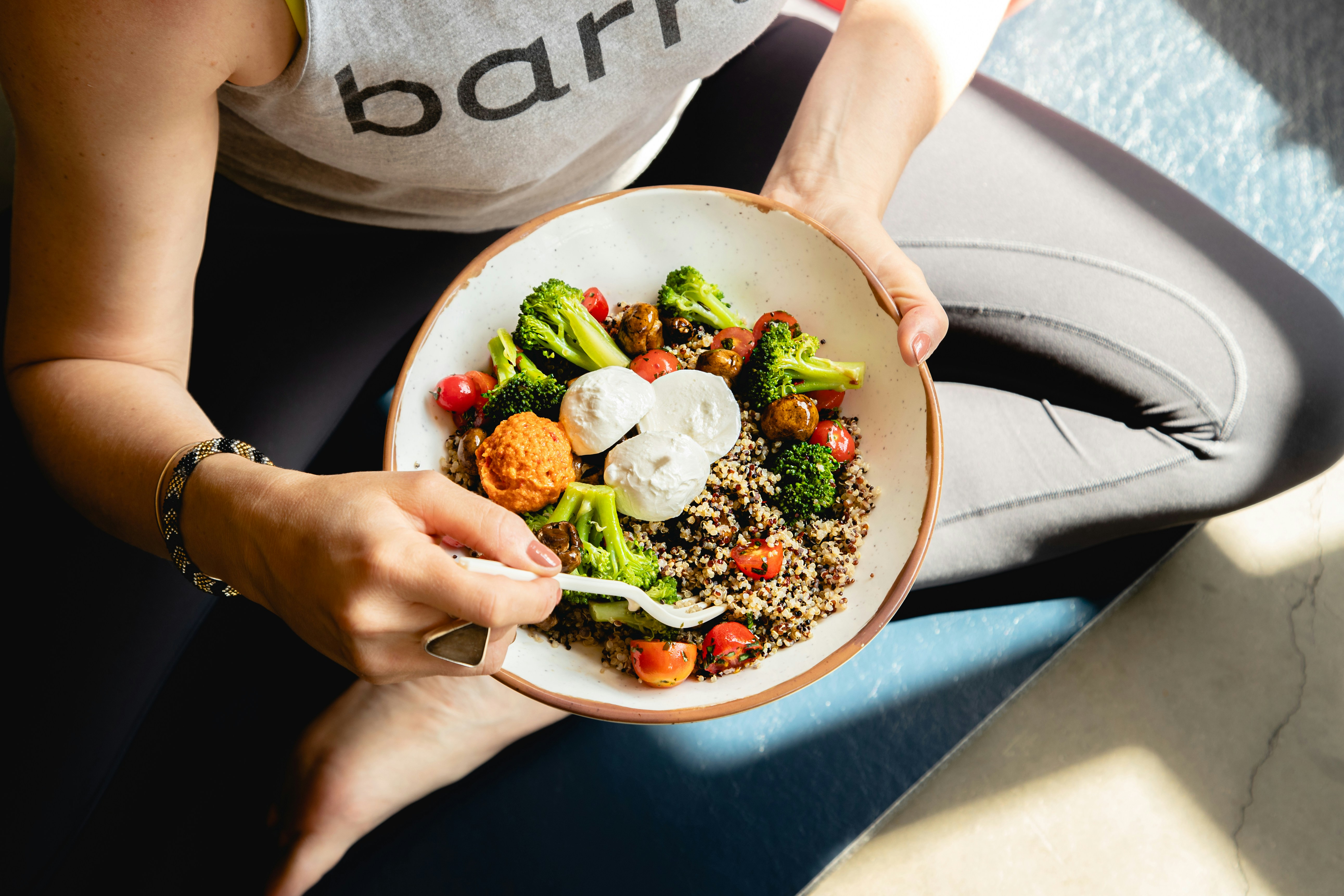
Naked: A plain apple
👉 Dressed: Sliced apple with 1 tbsp almond butter or a stick of string cheese.
Naked: Oatmeal cooked in water
👉 Dressed: Oatmeal cooked with protein powder, topped with walnuts and chia seeds.
Naked: A bare slice of toast
👉 Dressed: Sourdough toast topped with mashed avocado and two eggs.
Naked: Afternoon berries
👉 Dressed: Berries stirred into full-fat Greek yogurt.
The Pro Method (Sequencing): When eating a full plate (like dinner or lunch), eat your greens/vegetables and protein source first, and save your sweet potatoes, rice, or pasta for the second half of the meal.
The Pre-Load Method: If you know you are going to enjoy a high-carb treat (like a bagel or dessert), drink a small protein shake or eat a handful of almonds 15–20 minutes prior.
Muscles as Your "Glucose Sponge": The GLUT4 Advantage
While "dressing" your carbohydrates slows down how fast sugar enters your bloodstream, there is an equally powerful mechanism that dictates where that glucose actually goes: your skeletal muscle mass. Skeletal muscle acts as your body's primary "glucose sink," responsible for clearing up to 80% of post-meal blood sugar. Inside muscle cells lie specialized transport proteins called GLUT4.
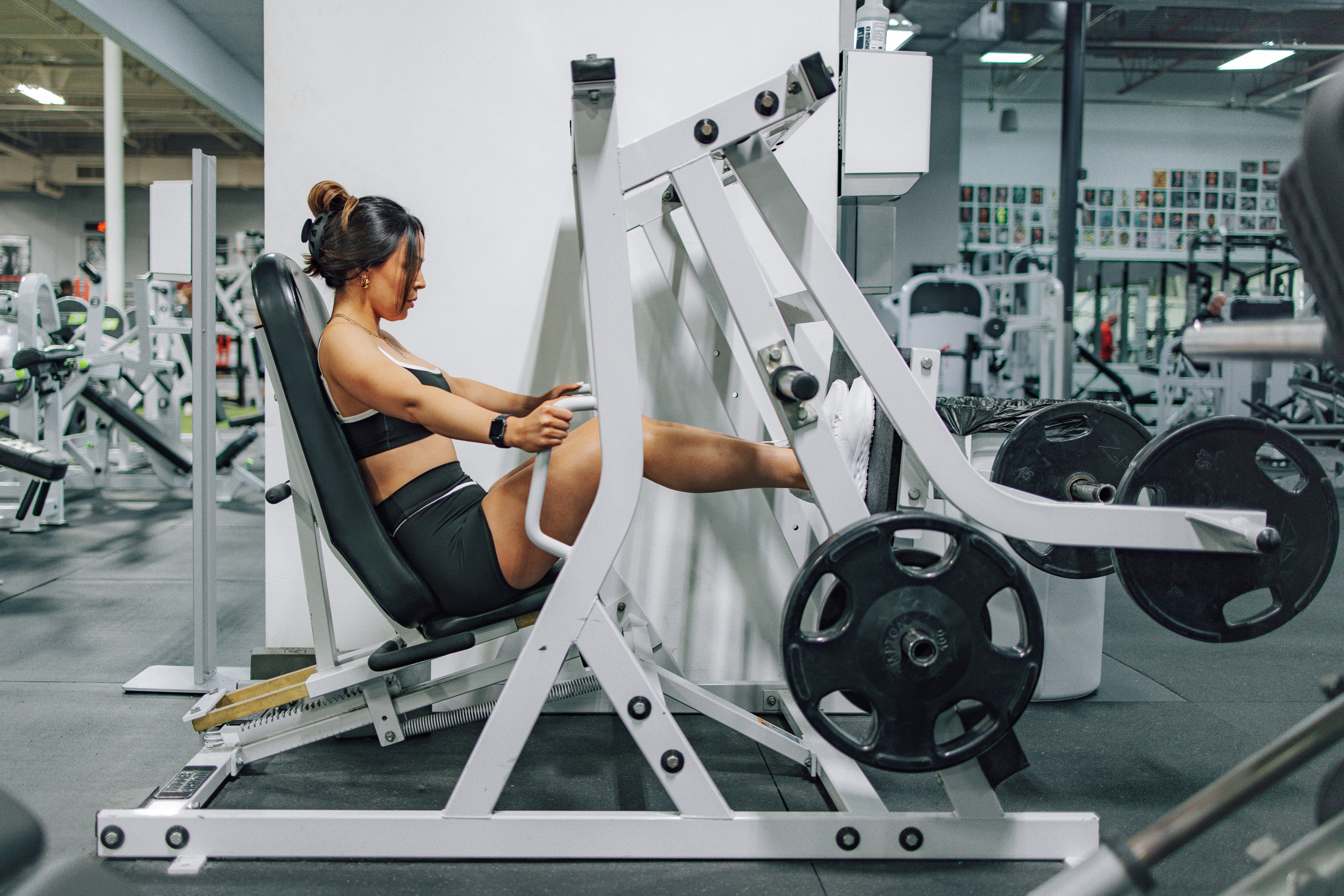
Under normal resting conditions, GLUT4 transporters require insulin to unlock the cell door and let glucose in. However, when your muscles contract during strength training or a brisk walk, GLUT4 transporters migrate directly to the cell membrane independently of insulin. This means that performing a quick 10-minute walk or a few sets of bodyweight squats after eating carbohydrates allows your active muscles to soak up glucose instantly out of your bloodstream without requiring your pancreas to pump out excess insulin.
How Pace & Phase Keeps Energy Steady
Instead of cutting out food groups or fearing glucose, Pace & Phase focuses on intelligent fuel architecture. The app provides simple visual plate builders and meal sequencing tips so you can enjoy your favorite foods while keeping your brain clear, your energy high, and your hormones balanced.
Key Vocabulary
Glucose Spike: A rapid rise in blood sugar concentration following the quick digestion of simple carbohydrates.
Reactive Hypoglycemia: A sudden drop in blood sugar below baseline levels that occurs a few hours after a high-carb meal.
Gastric Emptying Rate: The speed at which food transit moves from your stomach into the small intestine.
Viscous Soluble Fiber: Fiber types that form a gel-like matrix in the digestive tract, slowing down nutrient absorption.
Postprandial Glycemia: The measure of blood glucose levels following a meal.
Food Sequencing: The strategy of consuming fiber, protein, or fats prior to carbohydrates within a meal to alter digestion kinetics.